Winter with sickle cell: how to stay warm, hydrated and ready for crisis days
Cold air, wind and cold water can all set off a pain crisis. Practical steps to help warriors and caregivers get through a Canadian winter, from layers to a written plan.

Canadian winters are long, and for people living with sickle cell they bring real risk: cold air, wind and cold water can all trigger a pain crisis. A few habits, started before the first deep freeze, make the season safer for warriors and easier for the people who care for them.
Why cold and wind matter
When skin gets cold, small blood vessels near the surface narrow to hold in heat. In sickle cell, slower blood flow gives sickled red blood cells more chance to get stuck and block those vessels, which causes the pain of a crisis. Wind strips heat from the skin quickly, and studies in London and the United States have linked windy weather with more sickle cell pain episodes.
Dress in layers and stay dry
Check the wind chill as well as the temperature before you head out, and dress for the coldest part of your day. Layers trap warm air and let you adjust as you move between the cold and heated buildings.
- A base layer that pulls sweat away from your skin, a fleece or wool middle layer and a windproof outer layer
- A toque, a scarf or neck warmer, and warm mitts
- Waterproof boots, with a spare pair of dry socks in your bag
Wet skin loses heat fast, so change out of damp clothes as soon as you can. For children, pack a dry change of clothes for school and ask about staying inside at recess on bitterly cold days.
Keep drinking, even when you are not thirsty
Dehydration is a well-known trigger, and winter makes it easy to miss: many people drink less in the cold, and heated indoor air is dry. Sickle cell can also affect how well the kidneys concentrate urine, so warriors can lose fluid faster than other people. Keep a water bottle within reach, and remember that warm drinks such as herbal tea and soup count too.
Avoid cold water
Water pulls heat from the body much faster than air does. Skip cold-water plunges, including New Year’s polar bear dips, and when you swim, ease into the water rather than jumping in.
Get your flu shot and other vaccines
Sickle cell can affect how well the spleen fights some infections, and infections can set off a crisis. Canada’s National Advisory Committee on Immunization lists hemoglobinopathies, the group that includes sickle cell, among conditions that raise the risk of serious flu complications. Get a flu shot every fall, and ask your team which other vaccines you need, such as pneumococcal, meningococcal and COVID-19 vaccines.
Prepare for crisis days now
Even with good habits, crises can happen, and a crisis is never your fault. Getting ready in the fall makes a hard night in February easier to manage.
- A written plan: an individualized care plan or letter from your hematologist, with copies on your phone, in your bag and with someone you trust
- Warmth within reach: a warm blanket and a heat pack
- Supplies at home: water, easy meals, the medicines your team has prescribed and a thermometer to check for fever
- A support list: who can drive you to hospital or check on you
Every Bright Box includes a warm blanket and a microwavable heat pack, curated by our founder and by warriors for exactly these days. If you or someone you love is facing a hospital stay or a hard stretch at home, request a Bright Box.
Use heat safely
Warmth can ease pain in one or two spots, but heat packs can burn. SickKids advises removing heat right away if it becomes painful or the skin reacts, and never leaving young children alone with heat.
- Heat the pack exactly as its instructions say, and test it before it touches skin
- Wrap it in a cloth and use it for about 20 minutes at a time
- Never fall asleep with a heat pack on, and never use ice packs for sickle cell pain
When cold-weather pain means the ER
Go to the emergency department or call 911 if your home plan is not controlling the pain, or if you have warning signs such as a fever of 38.5°C or higher (or the lower number your team gave you), chest pain, trouble breathing, sudden weakness or a severe headache. For the full list, read When to go to the ER.
Questions people ask
Yes. Cold air, wind and cold water are recognized triggers, and research has linked windy weather with more pain episodes. People react differently, so track your own patterns and share them with your team.
Use gentle warmth for pain in one or two spots, for short periods, and never ice. If pain keeps building despite your home plan, get medical care.
Sources
- HealthLinkBC, Sickle cell disease: preventing problems
- SickKids AboutKidsHealth, Sickle cell disease: what to do if your child is unwell
- National Heart, Lung, and Blood Institute, Living with sickle cell disease
- National Advisory Committee on Immunization, influenza vaccine statement for 2025 to 2026
- Canadian Paediatric Society, infections in children with asplenia or hyposplenia
- Jones S, et al. British Journal of Haematology, 2005
- Nolan VG, et al. British Journal of Haematology, 2008
- Alder Hey Children’s NHS Foundation Trust, Living with sickle cell disease: fluids
This article is general information, not medical advice. Talk to your own hematology team about your care. In an emergency, call 911.
More from the SS Feed

Living with SCDMay 4, 20264 min read
How to be heard in the ER and at appointments when you have sickle cell
Our April Cells meeting asked a hard question: is my doctor even listening? Scripts, tools and Canadian standards that help warriors and caregivers speak up for care.

Living with SCDJan 15, 20263 min read
What a sickle cell crisis feels like, and when to go to the ER
Pain crises are the most common reason warriors end up in hospital. Knowing the warning signs, and having a plan, can save a life.
DonationOct 16, 20263 min read
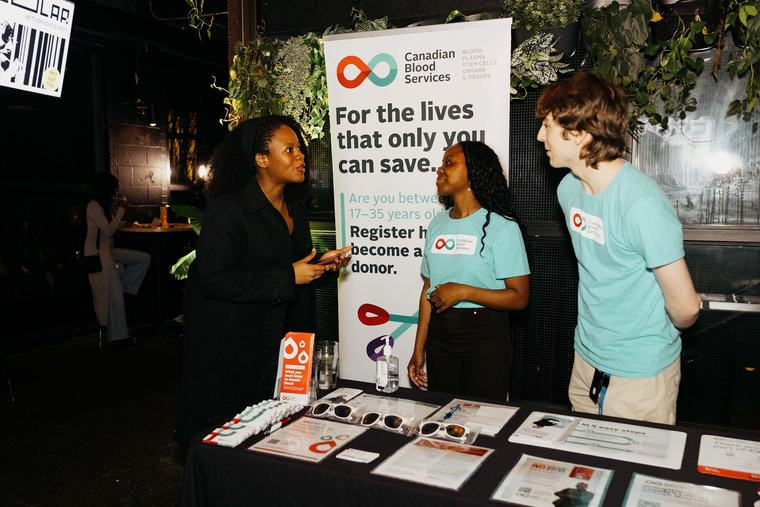
How Canadian Blood Services and NotJustYou work together for people with sickle cell
Registry drives, group donations and a shared goal: a donor base as diverse as the people who need it.