Free therapy for Cells members: inside our partnership with Bethesda Therapy
People in Cells and their caregivers can get up to 24 fully subsidized sessions with Bethesda Therapy’s licensed therapists.
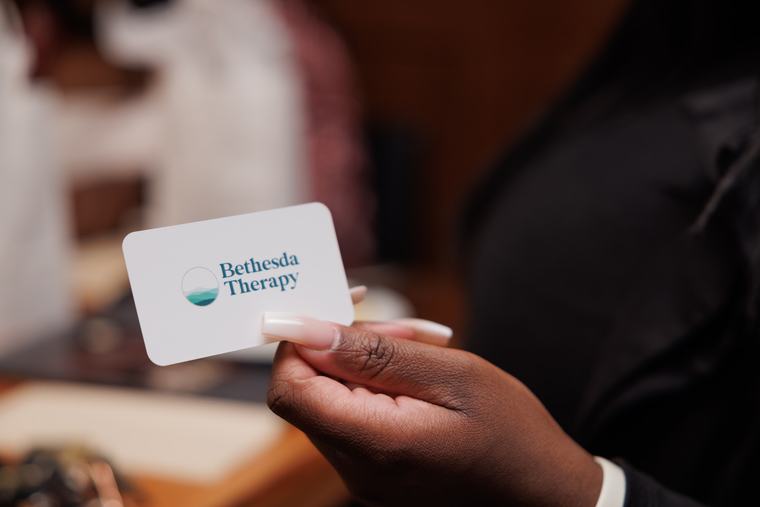
Living with sickle cell can wear on your mind as much as your body. On November 3, 2025, NotJustYou named Bethesda Therapy the Official Mental Health Partner for Cells, our peer support program, so members could see a therapist without worrying about the cost.
Who Bethesda Therapy is
Bethesda Therapy is an Edmonton-based mental health practice. It offers individual, couples, family and group therapy, online or in person, with a holistic, trauma-informed approach. Its therapists draw on methods such as cognitive behavioural therapy, dialectical behaviour therapy and solution-focused therapy, and the practice also runs training, workshops and consultations for organizations.
How the partnership works
- Who it’s for. Registered Cells members who live with sickle cell, and caregivers, who live in Canada.
- What’s covered. Up to 24 sessions per person, 100% subsidized by NotJustYou.
- What sessions are like. Virtual, 60 minutes, with licensed, culturally informed therapists.
- For families. Caregivers can pass their sessions to someone under 16 they care for.
- Staying eligible. Attend at least one Cells meeting each quarter.
- Privacy. What you share stays between you and your therapist. NotJustYou only receives anonymous totals, like the number of people served.
How to start
- Register for Cells if you haven’t already. It takes two minutes.
- Fill in the short request form on our free therapy page.
- Bethesda Therapy contacts you within a few business days to confirm eligibility and book your first session.
Not sure therapy is for you? Our guide to sickle cell and mental health explains why so many warriors find it helps, and caring for someone with sickle cell covers the load caregivers carry.
Sources
This article is general information, not medical advice. Talk to your own hematology team about your care. In an emergency, call 911.
More from the SS Feed

Mental HealthJul 16, 20264 min read
Caring for someone with sickle cell without losing yourself
Burnout builds quietly when one person carries every crisis. How to spot the signs, share the load and plan for crisis days, inspired by this year’s Cells for Caregivers meetings.

Mental HealthMay 14, 20262 min read
Sickle cell and mental health: you are not imagining it
Chronic pain wears on the mind. Anxiety, low mood and isolation are common, and support helps.
DonationOct 16, 20263 min read
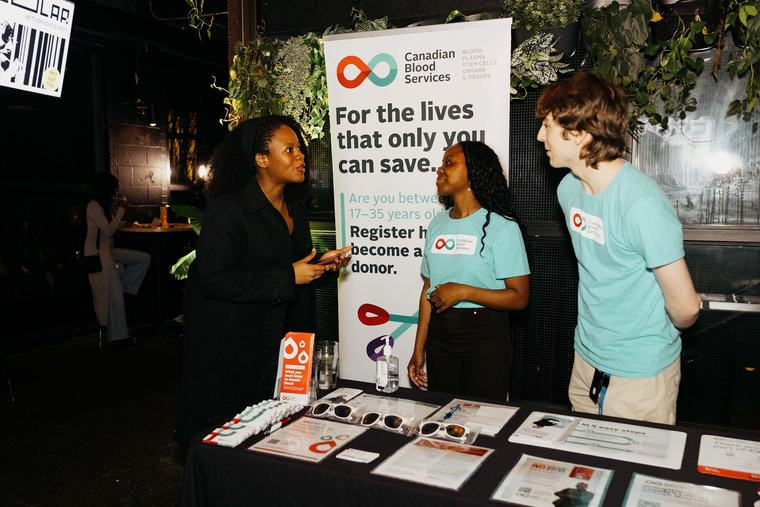
How Canadian Blood Services and NotJustYou work together for people with sickle cell
Registry drives, group donations and a shared goal: a donor base as diverse as the people who need it.