Sickle cell and mental health: you are not imagining it
Chronic pain wears on the mind. Anxiety, low mood and isolation are common, and support helps.

Living with unpredictable pain, long hospital stays, and people who do not always believe you would wear anyone down. Research shows that people living with sickle cell disease experience higher rates of anxiety, depression and isolation. If that is you, it is not a weakness. It is a reasonable response to a heavy load.
What it can look like
- Dreading the next crisis, even on good days
- Pulling away from friends because plans keep getting cancelled
- Feeling exhausted in a way rest does not fix
- Anger or numbness after being dismissed by a health care provider
- Low mood that lasts for weeks
What helps
- Rest before you need it. Self care does not need to be earned.
- Find people who understand. Peer support reduces isolation.
- Talk to a therapist who understands chronic illness and culture.
- Keep your lifelines: the people, places and interests that remind you who you are.
Self care does not need to be earned. Listen to your body and rest when you need to, even before it is a need.
Subsidized therapy through Cells
Through our partnership with Bethesda Therapy, registered Cells participants and caregivers who live in Canada can access up to 24 subsidized, virtual therapy sessions. Attend at least one Cells meeting each quarter to stay eligible. Later this month, Cells asks the question many members have been asking privately: is therapy working?
Start with our free therapy page, or browse mental health services in your province. If you care for someone with sickle cell, read our guide to caregiver burnout.
Questions people ask
Yes. Anxiety and low mood are common among people living with chronic pain, and they are treatable. You do not have to wait until things are unbearable to ask for help.
No. Register for Cells, attend a session, and request therapy through our form. Bethesda Therapy handles intake.
No. Sessions are confidential between you and your therapist. NotJustYou only receives anonymous totals.
This article is general information, not medical advice. Talk to your own hematology team about your care. In an emergency, call 911.
More from the SS Feed
Mental HealthOct 15, 20262 min read
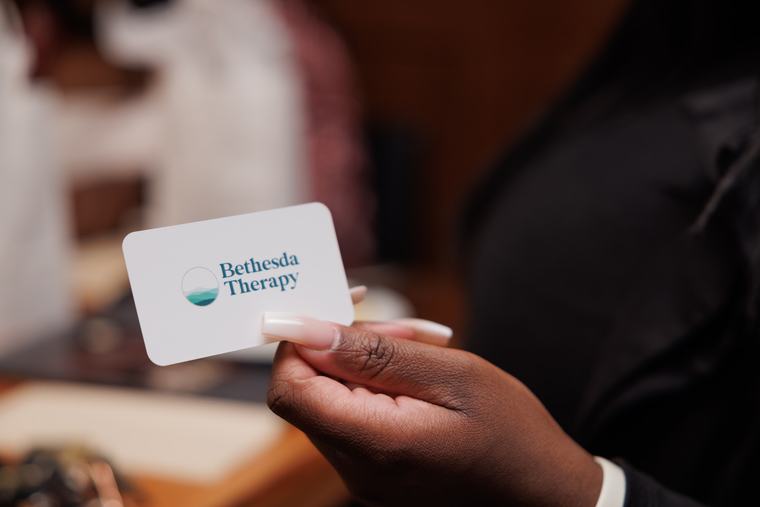
Free therapy for Cells members: inside our partnership with Bethesda Therapy
People in Cells and their caregivers can get up to 24 fully subsidized sessions with Bethesda Therapy’s licensed therapists.

Mental HealthJul 16, 20264 min read
Caring for someone with sickle cell without losing yourself
Burnout builds quietly when one person carries every crisis. How to spot the signs, share the load and plan for crisis days, inspired by this year’s Cells for Caregivers meetings.
DonationOct 16, 20263 min read
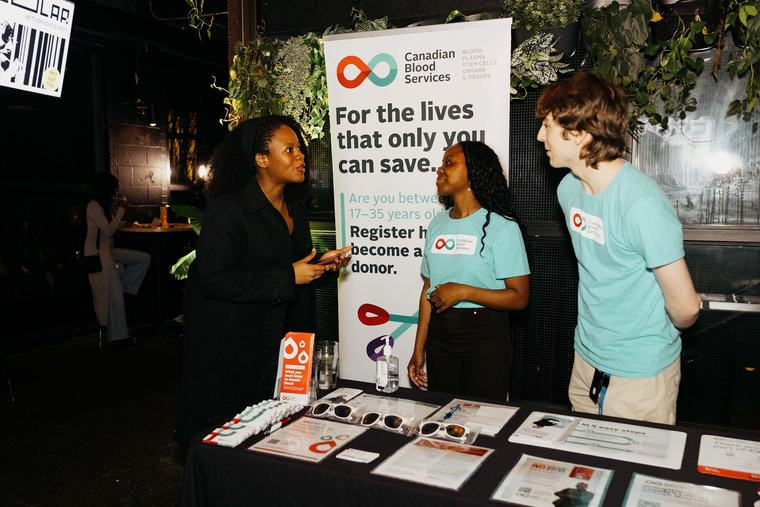
How Canadian Blood Services and NotJustYou work together for people with sickle cell
Registry drives, group donations and a shared goal: a donor base as diverse as the people who need it.