Hydroxyurea for sickle cell: how it works and what to expect
The daily medicine has been studied in sickle cell for decades. What it can reduce, who is offered it, why it needs regular blood tests and why it takes months to work.

Hydroxyurea is one of the most widely used and most studied treatments for sickle cell disease. It is taken by mouth once a day and works in the background to make complications less likely. In the United Kingdom and many other countries it is called hydroxycarbamide.
How it works
Before birth and in early infancy, babies make mostly fetal hemoglobin, a form that does not sickle. Over the first months of life the body switches to adult hemoglobin, and in sickle cell the adult form is the one that sickles.
Hydroxyurea’s main effect is to raise fetal hemoglobin again. Red blood cells that carry more fetal hemoglobin are less likely to sickle and less likely to break down early.
What the research shows
The first large trial, published in 1995, followed 299 adults with sickle cell anemia. Those who took hydroxyurea had fewer pain crises and fewer episodes of acute chest syndrome, a dangerous lung complication. A later trial in babies aged 9 to 18 months found fewer pain episodes, less painful swelling of the hands and feet, less acute chest syndrome and fewer transfusions.
US expert guidelines sum up the benefits this way: hydroxyurea reduces pain crises and acute chest syndrome and lowers the need for transfusions and hospital stays. It does not stop a crisis that has already started, so it is taken every day, including on good days.
Who is offered hydroxyurea
Those guidelines recommend offering it to babies from 9 months of age, children and teens with sickle cell anemia (HbSS or HbS beta zero thalassemia), whatever their symptoms. For adults with these types, they recommend it for frequent pain crises, severe or repeated acute chest syndrome, or anemia or pain that disrupts daily life.
For other types, such as HbSC, the evidence is more limited and decisions are made case by case with a sickle cell specialist. Practice varies between clinics, so the right choice depends on your type, your history and your goals.
Why regular blood tests matter
Hydroxyurea can lower blood counts, especially white blood cells and platelets, and counts that fall too low raise the risk of infection or bleeding. Regular blood tests let your team catch this early and adjust treatment. Tests are usually more frequent at the start, often about monthly while your team finds the right amount, then every two to three months once things are steady.
Blood tests also show whether the medicine is working, for example by tracking fetal hemoglobin. Keep these appointments even when you feel well.
Side effects, and why it takes time
Side effects are usually mild and often improve when the amount is adjusted. Those reported include:
- Low blood counts, found through routine blood tests
- Nausea or an upset stomach
- Darkening of the nails or skin
- Thinning hair, a rash or mouth sores
- Headache
Call your team right away if you have a fever or signs of infection. Expect gradual change: fetal hemoglobin rises slowly, and it often takes three to six months to see the full benefit. The benefits depend on taking it every day, so talk to your team before stopping for any reason.
Pregnancy, fertility and family plans
Hydroxyurea may harm a developing baby, so it is generally not recommended during pregnancy. People who could become pregnant are usually advised to use reliable birth control while taking it and to plan any pregnancy with their team, since the medicine is usually stopped beforehand. If you become pregnant while taking it, stop and contact your team right away.
Hydroxyurea may also lower sperm counts. If you might want biological children, ask whether sperm testing or banking makes sense before you start, and raise any breastfeeding plans with your team too.
Bring your questions to your next appointment, and hear how other warriors and caregivers manage daily treatment at Cells. If you are new to sickle cell, start with What is sickle cell?
Questions people ask
It was first used to treat some cancers, which worries some families. SickKids notes there have been no reported cases of hydroxyurea causing cancer in more than 20 years of use in people with sickle cell, and your team will monitor you regularly.
Yes. Guidelines recommend offering it to babies with sickle cell anemia from 9 months of age, and long-term studies have not found harmful effects on growth and development.
Usually for the long term, every day, for as long as it helps and is well tolerated. Your team will review with you whether it is still the right choice.
Sources
- National Heart, Lung, and Blood Institute, Evidence-Based Management of Sickle Cell Disease: Expert Panel Report, 2014
- American Society of Hematology, hydroxyurea pocket guide based on the 2014 expert panel report
- SickKids AboutKidsHealth, Hydroxyurea for sickle cell disease
- National Heart, Lung, and Blood Institute, Sickle cell disease treatment
- Charache S, et al. Effect of hydroxyurea on the frequency of painful crises in sickle cell anemia. New England Journal of Medicine, 1995
- Wang WC, et al. Hydroxycarbamide in very young children with sickle-cell anaemia (BABY HUG). The Lancet, 2011
This article is general information, not medical advice. Talk to your own hematology team about your care. In an emergency, call 911.
More from the SS Feed

TreatmentSep 24, 20264 min read
Gene therapy for sickle cell in Canada: what Casgevy is and where access stands
In its main trial, Casgevy kept nearly everyone free of severe crises for at least a year. How it works, what treatment involves and why access in Canada is still limited.
TreatmentSep 8, 20264 min read
Stem cell transplant for sickle cell: how the cure works and who it is for
A transplant replaces the bone marrow that makes sickled cells. It can cure sickle cell, carries serious risks and depends on finding a match, which is where donors come in.
DonationOct 16, 20263 min read
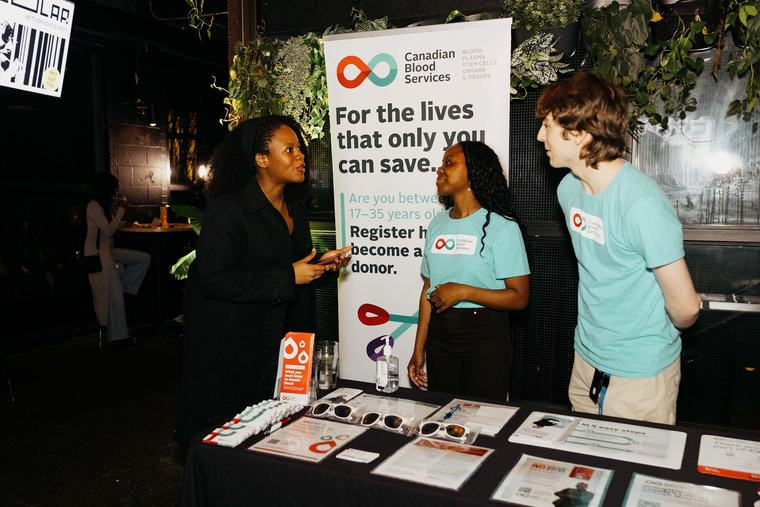
How Canadian Blood Services and NotJustYou work together for people with sickle cell
Registry drives, group donations and a shared goal: a donor base as diverse as the people who need it.